

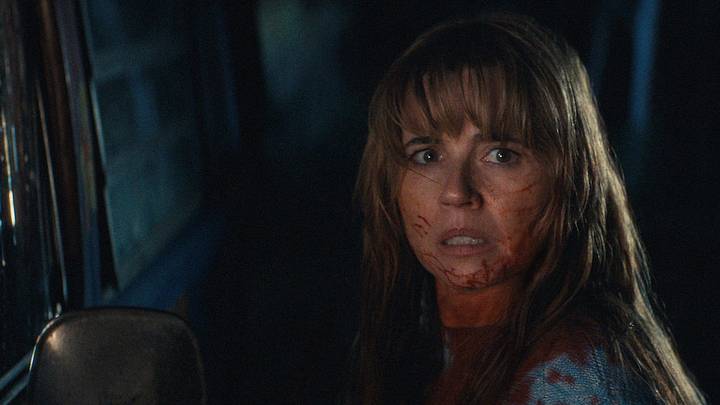
For horror fans, only a handful of franchises carry the legendary weight of Friday the 13th. For decades, Jason Voorhees has remained a horror staple and one of the genre's most recognizable characters. However, despite its dedicated fanbase and interest in more films, the series has struggled to gain new traction because its “legal purgatory” and stalled projects have often kept it from moving forward.
Years of silence left many fans wondering whether our watery villain would ever return to Camp Crystal Lake. That's why Crystal Lake matters to the franchise as a whole. While this isn’t an article to toss stones at the original films or Michael Bay's 2009 iteration of Jason’s story, Crystal Lake isn't just another low-hanging-fruit installment. It offers the franchise something it's been desperately fighting for: a future.
It's a series that embraces its roots
What makes Crystal Lake so exciting and a worthy successor to the films is that it embraces the mythology that made the story so good in the first place instead of recycling old ideas. Crystal Lake could have easily taken the lazy route, creating a sequel that harbors the same familiar kills and plot beats just to get October streaming views.
Instead, this series dove in and took the chance to explore the people, the trauma it caused, and a legend born from the loss and anger of a mother and her son. Jason became the unstoppable force we know today because of his mythological status.
Horror often succeeds when it treats its monsters as almost impossible to defeat, but still leaves a part of them vulnerable, a weakness that grounds the story. Crystal Lake is not only a source of that human vulnerability but also one of the genre's greatest origins, and it is where one of horror’s most famous monsters was born.

Crystal Lake is a character in its own right
For years, fans have gone back and forth as to whether the lake itself is the real star of this series. The lake, its woods, and the stories passed down over the years have created an atmosphere that has always felt bigger than Jason himself. The series format allows room to explore that setting in ways another film never could.
The camp, its town, and the lake have become characters through which the story can grow and take on a more focused storyline. The history matters, letting fear build gradually instead of relying on Jason and his sudden bursts of violence to push the story forward. This makes the violence at the emotional epicenter of Pam Voorhees's and Jason's actions more understandable while still retaining the campy charm the films have always possessed.
Enriching the location lore and creating something more intimate behind the horror has helped focus the story.
Investing in horror and deeper storytelling can grow a modern fanbase
Long-form television series have shown that horror fans care about layered storytelling. The Haunting of Hill House, Bates Motel, Hannibal, and even 2026’s Carrie show that iconic horror stories can thrive when creators know the source material intimately and take the time to develop its characters and the atmosphere they inhabit. Crystal Lake is doing the same with Friday the 13th. Rather than replacing something fans loved, it added layers to a world often defined solely by body count.
At the same time, Crystal Lake understood the series couldn't drift from what made the franchise successful in the first place. Friday the 13th’s best iterations outside its cornerstone release understood that horror is meant to feel raw and primal. Isolation and the sense that something is always watching in the darkness run deep within the franchise's DNA, and that underlying tension of knowing that, no matter how fast you run from your fears, the nightmare always finds a way back to you, sometimes worse than when you buried it.
Crystal Lake preserved those elements while expanding the mythology, achieving something rare: honoring the past without being consumed by the trap of nostalgia that often comes with it.

Movement and evolution help reawaken the Friday the 13th franchise
Perhaps what matters most to new and old fans alike is that this signals movement in a franchise already neck-deep in legal limbo. Horror franchises can survive if they aren't afraid to evolve beyond their roots. Halloween, Scream, and Evil Dead, regardless of what people feel about their continuations, found ways to reinvent themselves while staying faithful to the roots that got them there. Friday the 13th deserves the opportunity to do the same.
The franchise has spent too much time in the shadows, defined by what couldn’t be done because of behind-the-scenes legal gymnastics. This gives the franchise and fans a chance to show what it can become if it lets go of the reins a bit.
Nothing is ever guaranteed in the world of horror, especially with its vast, murky history of reboots and revivals that often fail to capture the spark of the original. But there is something particularly hopeful and encouraging about an old project that wants to explore the world Jason came from rather than simply exploit it for nostalgia’s sake. Fans aren't looking for Jason’s greatest hits; they want a fresh reason for it all to matter again.
For the first time in what feels like a long, difficult stretch in the franchise's history, Friday the 13th feels alive again. Whether you are a longtime fan, someone who enjoys the classic era of slasher cinema, or someone discovering this franchise for the first time, Crystal Lake feels like a step in the right direction because it recognizes something crucial in resuscitating any franchise: the franchise's future doesn't lie in simply relying on the power Jason has held over the films in the past to keep the films going.
It's about the story, the setting, and an enduring nightmare that made people fear Crystal Lake in the first place. Sometimes the story of how something came to be is just as frightening as the result, and Crystal Lake holds the key to understanding that for Friday the 13th.
 Add us as a preferred source on Google