

Back on Aug. 4, 2026, news broke that EA was acquired by Saudi Arabia's Public Investment Fund, effectively completing a deal that had been in the making since September 2025. The buyout raised some eyebrows, as industry experts reported it would be followed by a round of impactful layoffs across EA's many different studios in an attempt to save up to $700 million. Unfortunately, those fears came true, and one of the company's flagship developers was closed altogether.
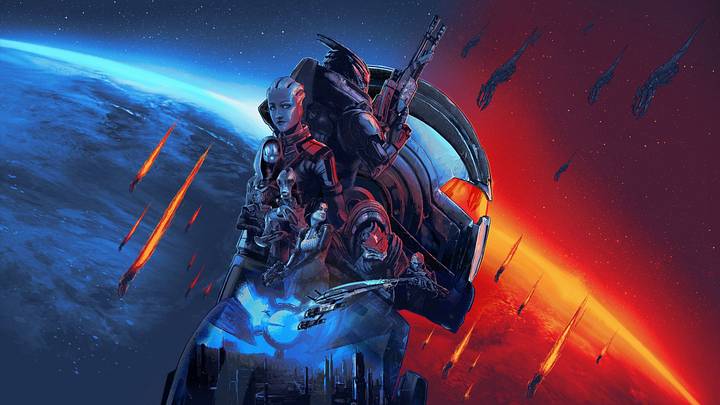
BioWare—the creative force behind acclaimed titles such as the Mass Effect saga and the Dragon Age franchise—will officially close its doors, which means approximately 50 employees will be laid off as part of the decision. Moreover, development on the next Mass Effect game will also come to an end.
EA employees learned about the news via a letter from Cam Weber, EA's President and Chief Studios Officer, and David Tinson, president and COO, which reads:
"Players have more choices than ever for their time and attention, competition is intensifying, and some of our biggest opportunities for growth are beyond the markets, platforms, and business models where EA has traditionally been the strongest. That's why, over the past several months, we've taken a hard look at our business, how we operate, and what it will take to lead in this next era of interactive entertainment. We've challenged assumptions, confronted hard realities, imagined new possibilities, and made deliberate choices in order to deliver exceptional experiences for our players and to drive sustained growth."
The round of layoffs isn't expected to end here. Bloomberg has reported that EA plans to cut 3% of its total staff, which equates to approximately 400 jobs (of which 50 have already been laid off). Meanwhile, EA will continue to support its sports franchises, Apex Legends, Battlefield, and some single-player titles such as Marvel's Iron Man and the next Star Wars Jedi title.
— BioWare (@bioware) October 21, 2026
While BioWare was responsible for many iconic and successful games such as the Mass Effect trilogy and the Dragon Age saga, it found itself in shaky territory in recent years. The renowned studio, mostly known for its single-player adventures, tried to pivot to the "lucrative" live-service model with the release of Anthem—an experiment that backfired, as development for the game ended just two years after its release.
Moreover, Dragon Age: The Veilguard's sales fell short of EA's expectations by 50%, and Mass Effect Andromeda was released to mixed to negative reviews, mostly due to many day-one glitches that were the result of development crunch. While Mass Effect 5 seemed to be the studio's best chance at going back to the top of its game, that day will, unfortunately, never come to be.
BioWare's closure and Mass Effect 5's cancelation highlight many problems with the video game industry
BioWare's closure is a sign of major problems plaguing the video game industry. At one point, the studio was expected to deliver constant releases, as Dragon Age: Inquisition, Mass Effect: Andromeda, Anthem, and Dragon Age 4 were supposed to come out one year after the other. However, it's undeniable that production costs and development times for modern AAA titles have grown to a point where such a business model is simply impossible to achieve without seriously compromising quality.
Moreover, the chase for the "live-service" trend has been something that has affected many studios as a whole. The reason why many PlayStation studios have failed to release a game in multiple years has been in great part because most of them tried but failed to build a live-service game from the ground up (looking at you, Naughty Dog). Meanwhile, heavy-hitters like Fortnite have spent decades developing new features, so it stands to reason that a brand-new live-service title created by a studio in five years, at most, can't compete in such a crowded market.
Perhaps the most ruthless reality of the video game industry nowadays is that developers aren't allowed to fail. Not every single video game ever made can be a home run, and failure to overperform could instantly result in the cancelation of projects or the closure of studios. It's extremely rare to learn that a company is willing to develop its portfolio even if it takes years for most of its titles to break even (even if that's exactly what Remedy Games does).
BioWare's closure is a major blow for the video game industry, and it is a true shame that we'll never know what Mass Effect 5 was meant to be like. Hopefully, most of the impacted developers will land on their feet and find jobs at a different studio.
 Add us as a preferred source on Google