

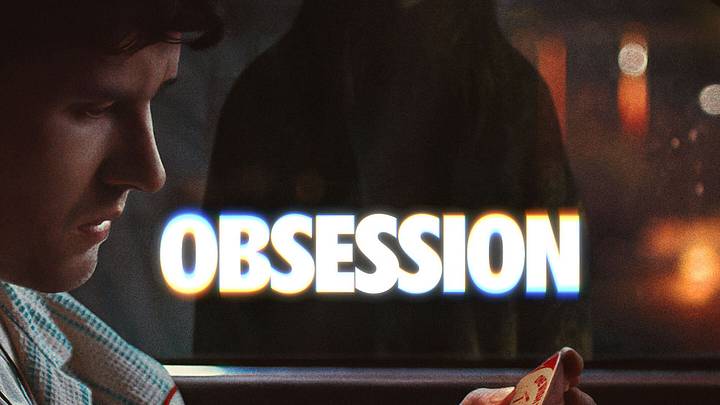
Horror has always been a genre centered on consequences and how choices can directly impact someone’s life in the most horrible ways. Whether it's something inherited, a monster you awaken within yourself or someone else, or a wrong choice you can’t outrun, acknowledging the “an eye for an eye” concept has long driven this genre to uncharted territories within the world of the macabre.
Obsession pushes these ideas into different and uncomfortable spaces by treating horror as this sort of internal force, an emotional consequence of what happens when the things we want so badly turn into dark, unhealthy forms of desperation, and when that extreme wanting becomes a weapon that hurts others.
In Obsession, desire becomes the monster
These unhealthy obsessions take the form of the One Wish Willow, disguised as a novelty item in a store. When unveiled, its true purpose becomes a symbol of coercion: it promises happiness, but as with anything given away so easily, it often demands something of others in return. While it grants the wisher autonomy over their own happiness, it traps them in their own desires.
In doing so, Obsession becomes a modern example of horror turning inward. This intimate shift raises the psychological stakes and makes them feel closer to home. The monster isn’t one lurking in the dark recesses of the shadows; it can grow inside of us. In a way, this intimate side of horror shows what's happening to us in real time. The world is anxious, exhausted, and psychologically falling apart, and Obsession understands that better than any other film this year.
Obsession's brilliance lies in framing the One Wish Willow as the natural process of the beginning and ending cycles of one’s haphazard choices. This type of horror is unique in how it surfaces; it lies dormant within and blooms when given the chance to fully realize itself. Every character that is given a chance to make a wish on the One Wish Willow carries some hurt or wound — a longing, fear, or a desire they can’t quite put into words. The tree doesn’t exploit those needs; it agitates them and makes them grow from something beautiful to something detestable and hideous.
From that, desire becomes something volcanic. The moment these characters want something too much, the obsession starts to change and warp the world around them. As much as one could see that as a form of punishment, it's the only positive outcome of encountering such an object. The Willow shows them what they desire most, then twists and turns that desire into something grotesque and intolerable.
Therein lies the horror of emotional repercussions: wanting something too much, too quickly, takes over your headspace and forces you to make desperate decisions you otherwise would not rationally make to get it.
This shifts from what traditional horror has given us over the years, where characters in dark, twisted stories are punished for their transgressions. Here, they are punished for feeling too deeply, for longing, and, most of all, for the weakness often associated with vulnerability. The scary part is the human emotions that can’t be controlled when we want something desperately, to the point of doing anything for it.
Coercion: fantasy or nightmare?
One of the most modern, original, and compelling uses of internalized pressure is the One Wish Willow. It makes everything seem so beautiful, inviting, and easy — a small, unassuming item that promises one wish to change the course of your destiny.
But the cleverest thing is that the tree isn't benevolent; it coerces people into making wishes born of their own insatiable desire to fulfill them by whatever means necessary, harming themselves through decisions of their own making. It does not even grant the wishes these people seek to fulfill; it extinguishes the happiness they seek from their desires and weaponizes it.
In essence, it's a glorified trap, luring people into the illusion that they control their desires, then binding them to the consequences that follow. In fact, the One Wish Willow is more than emotional entrapment; it's born from every system that uses control and decorates it as a choice. From relationships, businesses, religion, and even mental health itself. You can have anything you want, but the cost will always be the same: ultimate surrender.
In a way, this kind of manipulation is often disguised as comfort, yet the things we cling to most often at times destroy us. The horror isn’t the wishes being “granted;” it's in the belief that what you ask for will deliver you happiness, when in reality, what we want is often not what we need or wanted in the first place.
A new direction in modern horror storytelling

Obsession is just one example of a film that takes this approach in horror storytelling. People don't want monsters because we unfortunately live in a world where many versions of them already exist. While demons, apocalyptic threats, and the paranormal still have a special place in horror, people are searching for something more internal, emotional, and relatable.
Fear stems from what we feel, not what we see. In Obsession’s characters, the horror lies in those quiet moments of fear. That fear of going after what we want, and the danger or disappointment that sets in if it doesn’t work out how we pictured. The danger or depression lies in the possibility of it going in a direction that is less flattering to us, and an even deeper form of anxiety that sets in when we can’t control how the fickle finger of fate unfolds things in life.
That is internal horror.
This shift toward this kind of horror mirrors what it's been building up to. Films like Hereditary or The Babadook have explored these psychological horrors that lie in grief, gluttony, and the mutation of the sense of self through supernatural concepts. Obsession pushes these concepts further by extending them into natural wants and needs. The One Wish Willow is not interested in creating horror; it responds to what we fear most.
Obsession is not about who survives the trial of getting what they desire most. The question becomes: What do we become once we get what we want? And it is one modern horror that will keep asking and pushing to answer in creative, unsettling ways.
Why films like this matter
While the genre is more shocking and less straightforward today, Obsession understands something important about writing a good horror film: horror is paramount and has stronger incisors when it is personal. Where the monster can not be seen, and the threat is internal.
The supernatural elements only reinforce that message. The One Wish Willow has already become a recognizable symbol in modern horror because it encapsulates where the genre is going — intimate, psychological, and emotionally intense.
It reminds us that the things we want most can sometimes lead to our undoing. It is a study of desperation at its peak, the illusion of free will, and the consequences of emotional madness born from extreme desire.
In today's world, it paves the way for a deeper exploration of what makes horror truly terrifying.
 Add us as a preferred source on Google