

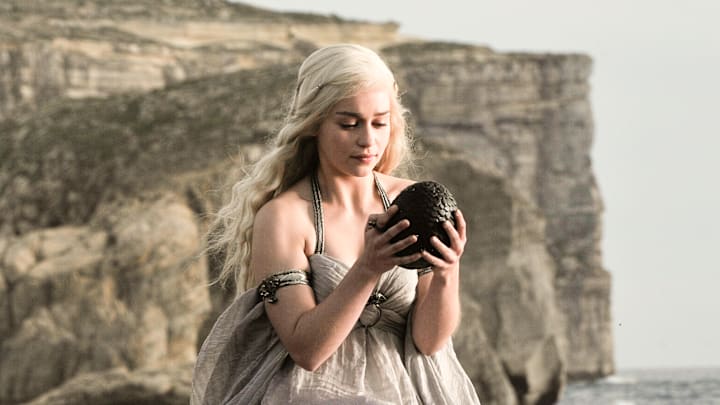
April 17, 2011. That's the date when HBO premiered the first episode of Game of Thrones, a fantasy series based on George R.R. Martin's A Song of Ice and Fire novels. At the time, nobody could have predicted that this show would become a cultural phenomenon that redefined modern television.
And season 1 shouldn't really have worked as well as it did. It was a show with dozens of characters whose names nobody could pronounce. There were multiple storylines happening in different places. There weren’t clear "good guys" to root for. And they killed off Sean Bean—the biggest star—in Episode 9.
Yet somehow, it all clicked. For starters, the cast was perfect. Peter Dinklage made Tyrion Lannister so good that he won an Emmy Award right away. Newcomers like Emilia Clarke and Kit Harington had never done anything this big before, but they nailed it. Even the child actors, including Sophie Turner and Maisie Williams, brought something special.
15 years later, when fans and critics discuss Game of Thrones, there's near-universal agreement that season 1 still feels like lightning in a bottle. It was that perfect storm of right timing, right casting, right writing and right execution.
The slow build that hooked everyone

The very first episode of season 1 opens with three members of the Night's Watch encountering the supernatural threat of the White Walkers beyond the Wall. Two die horribly and one deserts in terror. But then the show cuts away to Winterfell and the Stark family, and doesn't return to the White Walker threat for several episodes.
This structural decision trusted that if viewers cared about the characters and their political conflicts, they would remain engaged even as the supernatural threat receded into the background. It was a gamble that paid off.
The series also defied the standard television convention of having a single protagonist. Instead, season 1 tracked multiple storylines across different geographical locations like the Starks in the North, the Lannisters in King's Landing, Daenerys across the Narrow Sea in Essos. The show juggled approximately 30 significant characters whose narrative threads intersected in so many complex ways.
Perhaps most daringly, the show killed Sean Bean's Ned Stark, the very character who had been initially marketed as the series' protagonist, in the penultimate episode of the first season. This shocking twist which closely followed Martin's novel, sent an unmistakable message that in this world, honor and nobility were not rewarded and no character was safe.
The Red Wedding in season 3 would later cement this reputation, but Ned's execution in season 1 established the show's willingness to subvert expectations from the very beginning.
Everything aligned at the perfect moment

Here's why season 1 feels like lightning in a bottle. Everything had to go right and somehow it did.
The show premiered at a cultural moment when audiences were hungry for sophisticated, morally complex narratives. The rise of prestige cable television and streaming services had created space for shows that demanded viewer investment and rewarded close attention. Social media platforms like X (formerly known as Twitter) and Reddit became go-to for fans to discuss, theorize and obsess over each episode's details.
George R.R. Martin's source material provided the rich foundation of complex characters and a fully realized world with its own history and cultures. Showrunners David Benioff and D.B. Weiss adapted this material with reverence while making necessary changes for the visual medium. The production team brought unprecedented resources and talent to a television fantasy series. The cast, mixing established actors with fresh faces, created chemistry and brought depth to characters that could have been one-dimensional in less capable hands.
Perhaps most importantly, everyone involved seemed to understand that they were attempting something audacious. The original pilot's failure and subsequent resurrection instilled a hunger to get it right the second time. The budget constraints, the risks taken, killing the supposed protagonist, embracing moral ambiguity, trusting audiences with complexity, came from the confidence in both the source material and the audience's intelligence.
Author George R.R. Martin, reflecting on what he hoped the show's legacy would be, had acknowledged that records are meant to be broken and that even the most popular shows fade from memory. But he expressed hope that Game of Thrones would keep fantasy alive as a viable genre for serious television storytelling. That hope has been abundantly fulfilled.
The beginning of an era television won’t forget

On April 17, 2011, HBO premiered a fantasy series that ran for 10 weeks, told complex stories about honor and betrayal, featured characters with difficult names and questionable morals and ended by executing the character most viewers thought was the protagonist.
15 years later, that first season stands as a masterclass in how to do television right. It proved that taking risks, learning from failure and trusting in the intelligence of your audience can create something truly special.
The show would go on to win 59 Emmy Awards across its eight-season run, average 44.2 million viewers per episode in its final season, and become one of the most-watched series in television history.
Game of Thrones launched careers, changed industry practices and proved that fantasy could be both commercially successful and critically acclaimed.
But it all started with season 1. 10 episodes that overcame a failed pilot, budget constraints and industry skepticism to create what still feels like lightning in a bottle. The magic was in the alchemy of talent, timing and determination that brought Westeros to life in a way that television had never seen before.
As we look back 15 years later, season 1 reminds us that the best television dares greatly, risks boldly and trusts that if you give audiences something genuinely worth watching, they will come, they will stay and they will remember.
Winter came on April 17, 2011. And we're still there.

Winter Is Coming is celebrating the 15th anniversary of Game of Thrones all month long with retrospectives, deep dives, quizzes, hot takes and more. Come with us on a return journey to Westeros!
More Game of Thrones anniversary reads:
 Add us as a preferred source on Google