

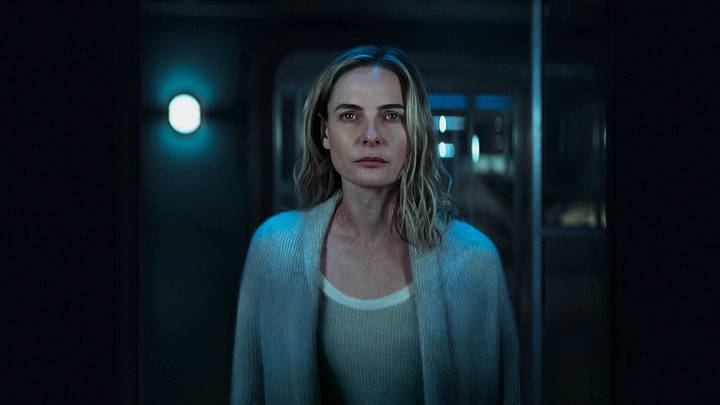
Truth. It’s something that possesses so much power, especially in the world of Silo. Something that has the potential to break down the very system that holds the fragile social dynamics of Silo's underground world together. Silo treats the truth almost like a reactive weapon. Used right, and if it falls into the right person’s hands, it has the potential to be dangerous, earth-shattering, and capable of reshaping the whole world they built to control the people that live in it.
What makes the truth so interesting in this series is not so much the fear of people rebelling against the system; it’s the fear of giving people the autonomy to make it all possible. Curiosity, imagination, and determination are the things that can and have overturned this existential beast that Silo has become — and the fear of someone looking into something further, wondering what it’s all about, who it seeks to destroy, and who stands to gain something out of it can bring it all down.
So, what is truth and what does it mean when someone dictates how it's used? Silo dives into that very question.

Truth as punishment
The ritual of “cleaning” is the best example to examine when you really dive into the truth dynamics of this series. While it punishes those who break the rules, “cleaning” drives the narrative and ultimately sparks the quest for truth. “Cleaning” is built on fear so that society keeps itself in line. When people are sent outside, it’s almost like playing a mental crane game; they have an underlying need to hold onto the truths they are told are facts, but those truths rest on shaky ground. If they are wrong, then everything they have sacrificed up to this point has all been for a lie. Lying as truth becomes a kind of moral theatrical exercise: if you deliver your best performance and play the game long enough, people start to believe it and are controlled by what they're shown.
When looking at Holston’s decision to leave Silo 18 in the series premiere, he defies the moral theatrics that the silo has put forth as truth. His need to find the truth about the outside is not to justify or even prove that these stories have any merit or teeth behind them. He wants something more, something deeper. For a character that has lost everything that is important to him at this point, his pent-up frustration of loss, disillusionment, and tolerating a reality that may not be all it seems has all come to a head. He is willing to go against those beliefs, even if it costs him his life, because he cannot imagine an existence without the love of his life, Allison. But such tragic deaths are not just sad because of the death itself; it’s sad and infuriating because he dies in vain believing in something that others have gone to great lengths to lie about and protect, even if it means the cost of suffering for someone else.
For Juliette, this journey toward the truth holds a familiar yet different kind of emotional weight. While she has also been lied to and suffered the loss of her partner George due to forbidden “truths,” she refuses to accept a world where having a sense of independent thought is treated like a prison sentence. In the third season of Silo, her quest for the truth leads to the ultimate punishment: memory erasure.

In Silo, the truth is never meant to be black and white; it is deceptive. It’s used for control or as a ticking time bomb for internal social collapse. Memory erasure is about more than keeping Juliette compliant. Doing this also erases one's sense of unique identity and delays and almost stops the quest to find what leadership has tried to bury. They didn't forcibly erase her memories because she was a threat to herself; it's a disciplinary reset to keep her from searching for the truth.
That tension, the concept that truth can be something that can save and destroy, is the very fabric of Silo and what makes it so interesting as it unfolds. It’s not about what is true; it's asking us who gets to decide what that means.
This idea of control stretches to others within the silo. Juliette isn’t the only threat to uncovering the truth; everyone else is, too. If she wants to know the truth, then everyone else has that same ever-growing need and desire to know it. By dumping Vitamin D+ into the water supply, the powers behind the silo get to decide what the truth is and what it isn’t; this continues a very real concept we are witnessing now, where false narratives become official history. Perhaps the biggest punishment, outside of hiding the truth, is forcing people to live in a perpetual state of ignorance. In doing so, manipulating the truth becomes the ultimate punishment for the people living in the silos. Knowing the truth weakens leadership and makes the populace harder to control, ultimately weakening their power if they lose the right to decide what people can remember. In essence, knowing the truth means you have power.

The Outside: A “wasteland” or the gateway to internal freedom?
The outside has always been a treasure trove of the unknown, and a place the characters have been taught to fear, yet beneath that fear was always a forbidden desire to learn more. In many ways, it's one of the biggest lies Silo's leadership tries to cover up. In a system and fortress built to lock people in physically and psychologically, the outside becomes a symbol of the uncharted and dreams unrealized; it suggests that, despite this dead and lifeless terrain that is curated on a screen for people to digest as the truth, people also want to believe that hope and fear of the unknown can coexist in the same space.
This is not about freedom, nor is it about survival; it’s about the possibility of something existing beyond what you have been taught to believe exists. When a system is built to crush your ambitions, personality, and creativity, it trains the mind to believe there is no sense of scale beyond the very walls that keep you in. In the real world, most people are taught to go above and beyond what they think is possible, but in the world of Silo, there is an imaginary boundary line you can’t cross. You can live, so long as you obey the rules of what living means to them.
The outside is an “empty void” built by stories people in power have made up and fed to the public: a barren wasteland where people, their hopes, and dreams can never prosper, and where questioning it carries severe consequences. That is why the truth about the outside, once revealed, becomes so powerful. From there, the perspective shifts from fearing the outside to longing for it and feeling excited about being part of it. It's not about wanting something different; it's about the possibility of dreaming beyond it. The outside becomes this metaphor for everything the silo has suppressed from its people. It’s a painful reminder that imagination and free will can be taken away, and there is very little that can be done once people in power find a way to do so. And in this world, the silo has spent generations trying to extinguish and eradicate that same thing, to control those who desperately seek some sense of direction in their lives, or who know nothing beyond what they were told for years
While other wonderful stories use this same premise, what makes Silo so impactful is its use of truth as a kind of mental contraband. The outside isn't dangerous because it exists; it's dangerous because it represents what people could be if their subconscious remembered what it’s like to think independently of what the system tells them to think and believe.
One example is Camille Sims. Once a supportive wife, she is selected by what is believed to be an “algorithm” to take over Bernard Holland’s prior duties; the power to control others and the power over the truth turns her into one of the most ruthless characters in Silo. The truth about the outside isn’t just about going against the status quo. It's about taking back personal power and reclaiming the right to be their own person. With a society built on actively controlling the truth, defying those truths is what becomes their first act of reclaiming their freedom, and ultimately their own minds. The question of why and giving back their sense of autonomy threatens Camille's recent status as a person of power; someone who didn't actively have control now does, and the truth threatens her position and others like her.

The Silo: Sanctuary or a mental prison?
While the silo has made it its life’s work to coax people into believing these supposed truths, it's also gotten pretty good at authoring the beliefs and rules that keep them in line. Rituals, the banning of relics, memory erasure, and even the way history is fed to its people lead to this widespread epidemic of “fake news” syndrome. If someone is telling me to believe it, then it must be true. No one questions anything the silo tells them, and no one tries to think beyond what the silo tells them the facts are. However, this way of thinking doesn’t last. When cracks start to form in their belief system, the outside, which was once viewed as this hellish landscape by its people, is now Eden-esque and full of untapped possibilities, despite its unfavorable appearance.
The outside becomes a place filled with brand-new fears, yet it also instills hope in its people. But as most stories of this nature tend to do, each has an ongoing narrative that keeps its people chained to their version of reality: there is nothing beyond the walls, so why imagine anything else? This is powerful because fear tells them not to challenge preconceived notions or even consider contradicting them. Yet Juliette does, and when she does, she becomes a symbol of that change: wanting more for ourselves.
Surveillance, forgetting, and punishment have always been the cornerstones of running the silo; it gives the system control and the ability to shape what people think is and isn’t possible. But Juliette breaks that narrative and gives people the will to believe in something more. Her actions reveal that the silo is not an impenetrable force. It can be defeated.

Why this matters for Silo's upcoming fourth and final season
The first three seasons of Silo have already paved the way for the show's fourth and final season to expand for what the outside world ultimately means for those that live in the silos, and that tension will only deepen and come to a head in the show's concluding chapter. Many of the characters have already gone against the grain of the system and confronted the unsettling truths the silo has kept buried, and the silo’s carefully curated world has begun to show signs of wear and tear in what was once bright and full of promise when the silos were first being built. The question isn’t just what lurks beyond the silo's walls; it's what happens when free will and the will to dream of better become the majority instead of the minority. Stepping into a silo removed that freedom of choice for these people, and the outside is a reminder, or even a glimmer of hope, for those who never experienced it.
This raises a few important questions. Is truth freeing people from the mental prison that has held them captive for so long? If they learn the truth about a planned extinction of the world, will that also destroy them? If they succeed, is this just another glorified barrier that keeps them from really finding out why this occurred? It’s a lot to consider, but if there is anything that Silo has underscored, it's that the truth is always way more complicated than just the answer itself.
Silo understands something essential about crafting stories like this. When you look back at oppression in history, they didn’t just take away one’s sense of autonomy; they restricted their creativity and willingness to dream of better for themselves. They shrank that possibility to dust, until wanting that for themselves no longer held a place in their mental awareness. By eliminating that freedom by force, it took away the choice to have a sense of agency.
The outside, however complicated, has become a symbol of freedom and a willingness to seek answers, even when people are denying them the right to do so. Sometimes, it also reminds us that even when we feel powerless, it's okay to seek solace in the positive, even if it means we must keep moving to survive. Whether it’s wanting to find the truth or dreaming of something bigger, Silo shows that sometimes truth and the power of dreams can be one and the same. The question then becomes: which is more powerful, and who decides?
Silo is streaming now on Apple TV. The show's fourth and final season has already wrapped filming, and is expected to premiere sometime in 2027.
 Add us as a preferred source on Google