

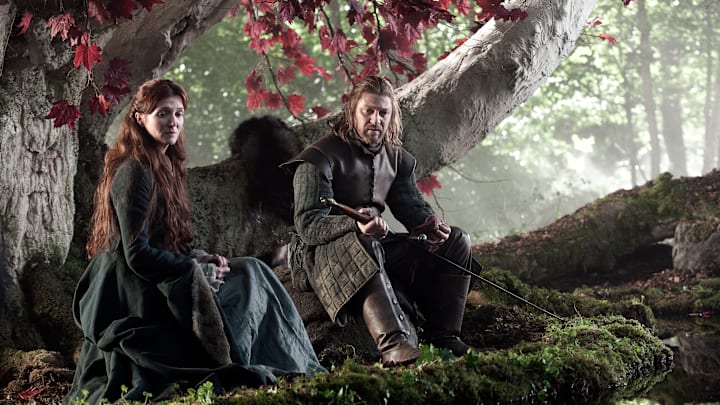
As Game of Thrones hits its 15th anniversary, a question arises: Would the show have the same impact had it premiered in 2026 rather than 2011?
Judging a past hit show in today’s terms is often difficult. A key reason is that many shows hit at just the right time with the right talent to connect in ways that seem like lightning in a bottle. Think of Star Trek, The X-Files, Lost, and others. In another era, it’s hard to see them impacting quite the same way, given how much television has changed.
Had The X-Files debuted in 2003, rather than 1993, it may have been lucky to last eight episodes rather than eight seasons. Lost might have fit the streaming show era of the 2010s rather than becoming a ratings and Emmy-winning smash in 2004. That’s not to mention the scores of copycat series that tried to replicate the same mystery and aura of those shows, with the vast majority of them failing.
While 15 years may not sound like a long time, it’s still remarkable looking back at how different television was in 2011. The streaming era was just getting started, with Netflix still two years away from its first original programming, House of Cards. The networks and basic cable still dominated viewership, and yes, people still tended to watch programs live. It feels like a true bygone era, meaning a major HBO fantasy epic series got a lot more eyes on it.
Granted, Game of Thrones had a built-in audience thanks to George R.R. Martin's best-selling works. However, in 2011, fantasy as a genre wasn’t as popular with mainstream audiences, outside of Harry Potter and The Lord of the Rings. It was dismissed as “nerd culture” when that wasn’t considered cool and largely looked down on by the Emmys and other awards groups. Mixed in more violence, adult material, and such, and frankly, it’s amazing Game of Thrones took off as much as it did.
The show was obviously successful, yet would that same audience acceptance have been as enthusiastic had Game of Thrones debuted today?

Would audiences accept Game of Thrones in today’s world?
Again, fantasy is more accepted by mainstream audiences today, but a lot of that is due to Game of Thrones paving the way. We can only imagine how many fantasy shows would never have been ordered, let alone produced, if streamers and networks weren’t desperate to get “the next Game of Thrones.” It’s like how X-Files, Buffy the Vampire Slayer, and Star Trek all redefined their genres, and taking them out would leave a huge hole.
Still, let’s say that genre TV for the last 15 years has been mostly the same, just without GOT. If anything, the show would be judged differently by comparison to other series. It’s often overlooked just how much Game of Thrones changed the genre, so if it debuted today, it’d be seen as a follower rather than an innovator, lowering its impact right off the bat.
Regarding its release, HBO would likely keep it as a weekly series. Yet there might have been a temptation to rush it for binge releases, which would have sucked away more of its impact. Major events and twists like Ned Stark’s fate would have resonated far less had all ten episodes been available at once.
This ties in with another key aspect: the online reaction. Yes, Twitter, Reddit, and other forums were around in 2011, but not to the extent they are today. Now, we’d have non-stop reactions to the show that would likely have pretty bad takes on things, from its treatment of women to cries of canceling the show for daring to kill off key characters. That already existed back then; it would just be ten times worse now.
Another aspect that’d be worse today would be book readers spoiling things. In 2011, some websites openly banned commenters who tried to spoil book events like the Red Wedding or similar key moments, which helped the show pull off those scenes. Today? With that spoiler culture around, the impact of those twists would be cut way back.
That leads to the worry about the showrunners listening too much to the negative reactions. Regardless of how many feel about the final season, David Benioff and D.B. Weiss had a vision for the show and stuck to it, even with story twists they knew fans would dislike. With how attuned showrunners are to fan reactions and making the mistake of “fanservice” that only harms the storyline, GOT’s run may have been altered too much to work as it did.
The show might still have been successful, yet its presence would be higher with geek websites or magazines, not full-on articles in The New York Times or think pieces in books. It would have risen above cult audiences and mainstream attention, just not to the levels it had back in 2011, which carried it to its later years.

Would Game of Thrones have even survived today?
This all leads to a key question: would Game of Thrones have even lasted as long had it debuted in 2026? Viewership numbers now differ from 2011, thanks to greater access to streaming services and such. It’s possible the huge HBO audience in 2011 would just wait for the show to come to HBO Max or wait for the entire season to air, then binge it all at once.
So with lower viewing numbers, a high budget, and a very likely more divisive audience reaction, the possibility of GOT not getting more than a season or two isn’t that outlandish. Just see how Star Trek: Starfleet Academy was canceled despite a completed second season, thanks to a combination of low viewership, high budget, and (to put it diplomatically) a divisive fan reaction. Granted, Thrones boasts better writing and acting, yet the danger was there (and that’s without mentioning the backstage upheaval at HBO).
It’s still hard to judge given that Game of Thrones is the reason so many in-depth genre shows like Stranger Things, The Expanse, and others exist at all. It’s now part of the DNA for genre television, so imagining the last decade and a half of TV without it is hard. Maybe it would still have succeeded given the source material, the care the showrunners took with it, and HBO backing it up with the budget needed to bring it to life.
At the same time, the likelihood of GOT not making the same cultural impact in 2026 remains high. Between audience tastes, the transformation of streaming and cable, the colossal upheavals in culture, society, politics, and more, and just how people accept fantasy, Game of Thrones was lucky to debut when it did. Because in 2026, the show wouldn’t have been the game-changing, pop culture darling we know now but a series debated, judged, and maybe even dismissed in ways that would ruin its legacy. In other words, we should be thankful for what we got for the time when, in another decade, Game of Thrones might not have broken out as much.
 Add us as a preferred source on Google